Here’s an honest look at the green season safari Kenya benefits, and the parts most blogs leave out. Most safari blogs list the same four green season perks and move on: fewer crowds, lush scenery, calving season, lower rates. Two of those four are only half true, and nobody tells you that. I want to give you the full picture, including the parts that don’t sell trips as easily.
I have watched budget travelers save real money by traveling in April instead of August, and I have also seen people arrive expecting river crossings that were never going to happen in May. Both things can be true about the same season. Let’s sort out what green season actually gets you.
What green season means in Kenya, and why it is really two seasons
Kenya does not have one green season. It has two, and they behave differently.
The short rains run roughly mid-November through December. Showers usually arrive in short, heavy bursts, often in the late afternoon, and skies clear fast. Roads stay mostly usable.
The long rains run March through May, sometimes trailing into early June. This is the wetter, muddier stretch, and it is when conservancy roads in places like the Masai Mara take the most punishment.
If a blog post tells you “green season” without naming which window, be skeptical. April and November are not the same trip.
Green season safari Kenya benefits: fewer crowds, more exclusive game viewing
This part of the pitch is genuinely true. In July through October, Naboisho Conservancy and the Masai Mara National Reserve fill up with vehicles chasing the migration herds. In April or November, you can sit at a lion kill with two other vehicles instead of twelve.
For budget travelers on group-joining safaris, this matters more than it sounds. Shared vehicles in peak season often queue at popular sightings. In green season, your guide has room to maneuver and time to wait out a shy leopard.
Lower rates, and how much you actually save
This is where most posts get vague. Here is a real comparison, using indicative rack rates for named properties so you can see the swing for yourself.
| Camp or park | Distance from Nairobi | Peak season rate (Jul-Oct)* | Green season rate (Apr-May)* | Entry/conservancy fee (non-resident) |
|---|---|---|---|---|
| Naboisho Conservancy camps (e.g. Basecamp Naboisho) | 270 km, 5-6 hr drive or 45 min flight to Mara airstrips | USD 600-750 pppn (all-inclusive) | USD 250-350 pppn (all-inclusive)* | ~USD 100 conservancy fee per night, indicative |
| Masai Mara National Reserve public campsites | 270 km, 5-6 hr drive via Narok | USD 30-40 pppn camping | USD 20-30 pppn camping | ~USD 80 per adult per day, indicative, check current Narok County rate |
| Amboseli National Park lodges (mid-range) | 240 km, 4-5 hr drive via Namanga | USD 300-400 pppn | USD 150-220 pppn | ~USD 60 per adult per day (KWS), indicative |
*Rates are indicative 2025/2026 published ranges and change by property and booking window. Always confirm current pricing before booking.
That Naboisho swing, roughly two-thirds off between the busiest and quietest months, is the single biggest reason budget travelers should look seriously at green season. If you want to see how these numbers stack against the other end of the calendar, we’ve also broken down how green season rates compare to Christmas and New Year pricing, which sits at the opposite extreme.
Landscape, light, and photography
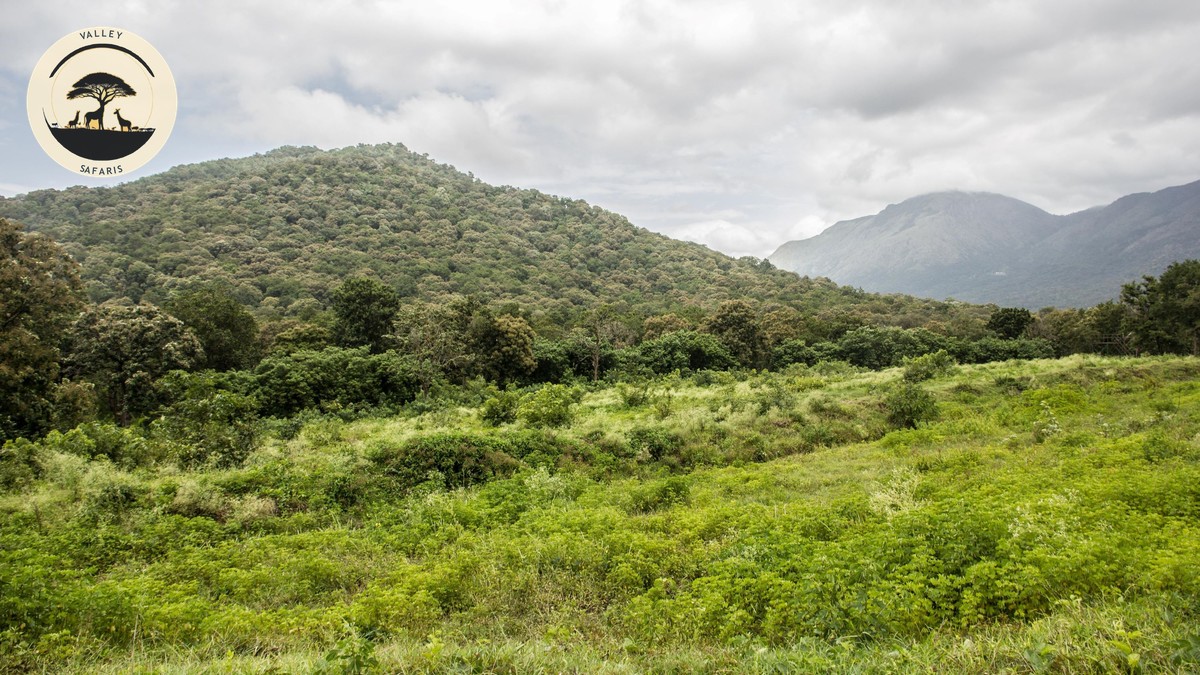
The plains turn from dust-brown to deep green almost overnight once the rains start. Acacia trees fill out. Storm clouds build over the escarpment most afternoons, and the light in the hour before a downpour is some of the best you will get all year, soft and gold with dark clouds behind the animals.
Morning game drives in green season also mean cooler temperatures, often under 20°C at 6 AM in the Mara, which makes early starts more comfortable if you are traveling on a tight camping budget without heated tents.
Wildlife: what you’ll actually see, and what you won’t
Here is the part competitors gloss over. Wildebeest calving season, the one with hundreds of thousands of newborn calves and constant predator action, happens in the Ndutu area of Tanzania’s Serengeti, roughly January through March. It does not happen in Kenya’s Mara. If a Kenya-focused blog lists calving season as a green season Mara benefit, they are borrowing from across the border.
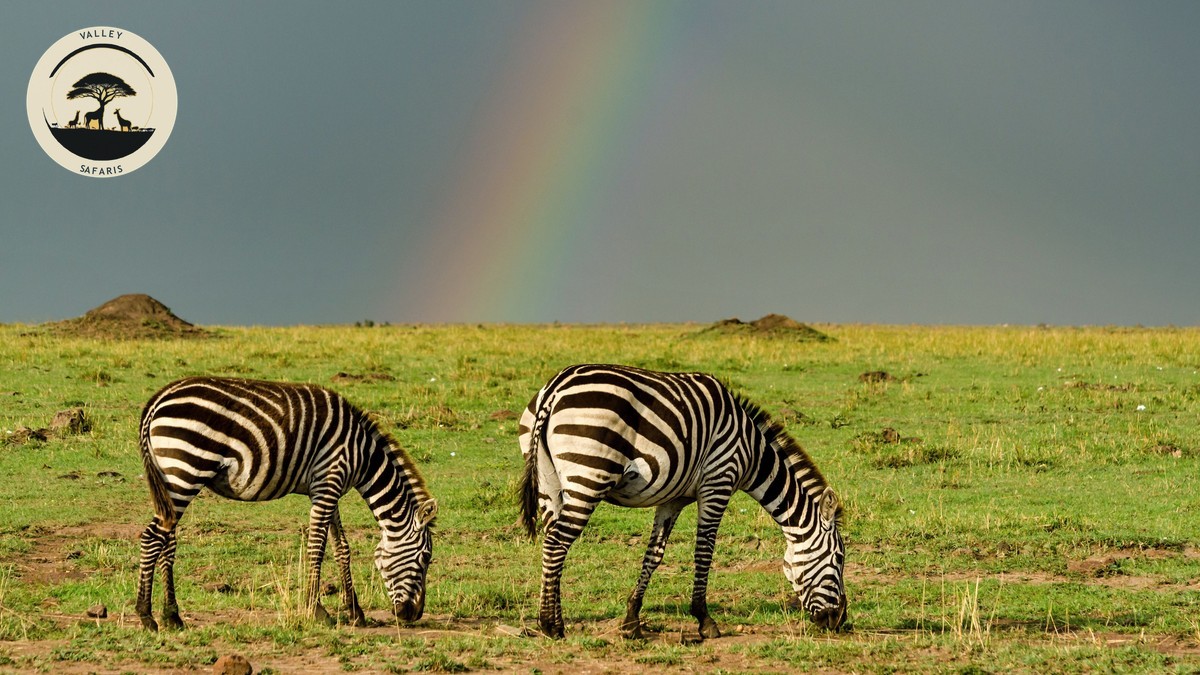
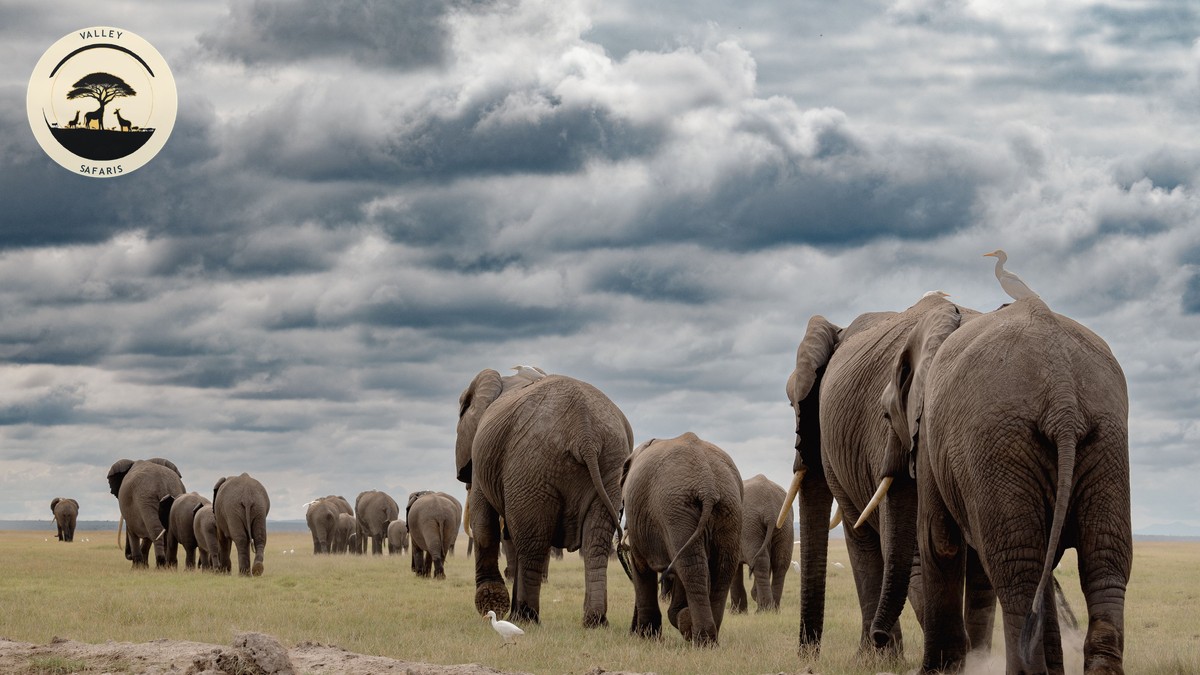
What you will see in the Mara during green season is resident wildlife: lion prides, elephants, giraffe, and healthy numbers of plains game that never left. What you will not see is the river crossing drama, since the migration herds are typically in the Serengeti or northern Tanzania from November through June. If timing crossings matters to you, read the worst time to visit Kenya on safari first, and use a live tool to track where the migration actually is before you book.
What the weather and roads are actually like
It does not rain all day. Short rains bring an hour or two of heavy rain, usually afternoon, then sun. Long rains are less predictable and can bring multi-day grey stretches, especially in May.
Roads are the real trade-off. Black cotton soil sections in Naboisho and parts of the Mara Triangle turn slick and occasionally impassable after heavy rain, and vehicles do get stuck. Guides know detours, but a game drive can take longer than the peak season equivalent. Pack a dust-free camera bag anyway, but budget extra flexibility in your daily schedule.
Who should, and shouldn’t, choose green season
Green season suits you if you are on a tight budget, you don’t need river crossings, and you don’t mind occasional rain delays. It suits photographers chasing dramatic skies and group travelers who want a quieter camp.
It does not suit you if witnessing a crossing is the one thing you came for, or if you have limited days and cannot absorb a rained-out afternoon.
Where to stay and sample routes
Budget backpackers doing a group-joining safari typically travel by scheduled shuttle or safari vehicle from Nairobi rather than public matatus, since matatu routes reliably reach Narok town (about 140 km, 2.5 hours) but connections onward to Mara gates are infrequent and not designed for tourists with luggage. Most operators, including ours, run scheduled departures that pick up from central Nairobi.
A typical green season route: two nights camping near Masai Mara National Reserve, then a night at a public campsite in Amboseli under Kilimanjaro’s shadow, weather permitting. Camping fees at both parks drop into the ranges shown in the table above, and vehicles are easier to book on short notice since fewer groups are traveling.
Cost breakdown for a green season safari
For a 5-day, 4-night camping safari covering the Masai Mara and Amboseli in April or November, expect roughly:
- Group vehicle and guide: USD 400-550 per person, indicative
- Camping and park fees: USD 250-350 per person, indicative
- Meals if not included: USD 15-25 per day
- Total: often 40-50% below the same itinerary in August
The Valley Safaris Difference
We run green season group departures specifically because we think the trade-offs are worth explaining, not hiding. Our guides brief every group honestly on what a given week’s roads and weather look like, and we adjust routes in real time when a section turns muddy rather than forcing it. We also keep a standing relationship with campsite operators in the Mara and Amboseli, so budget travelers get fair, current camping rates instead of inflated walk-in prices. Every group departure includes a Nairobi pickup, so you don’t have to piece together matatu connections yourself.
Plan your green season trip
If the numbers above make sense for your budget, we would love to help you build the trip. Have a look at our group safari departures or get in touch through our contact page to check upcoming green season dates.